
Cost of Vapor Barrier Installation in Twin Lakes, WI
Vapor barrier installation in Twin Lakes, WI, typically involves assessing the scope of the project, selecting appropriate materials, and considering site-specific conditions. Costs can vary based on the size of the area, the type of vapor barrier used, and the complexity of the installation process. It is common for final pricing to fluctuate depending on these factors, as well as the labor involved and the condition of the site.
Since project costs are influenced by multiple variables, it is advisable to obtain detailed estimates that account for the specific requirements of each installation. Comparing options and understanding the factors that affect pricing can help in making informed decisions. As a general guideline, the overall expense will depend on the scope, materials, labor, and site conditions unique to each project in Twin Lakes, WI.
Estimated Price Range
$1,200 - $2,800 (smaller scope)
$3,500 - $6,500 (larger scope)
| Project Type | Typical Range |
|---|---|
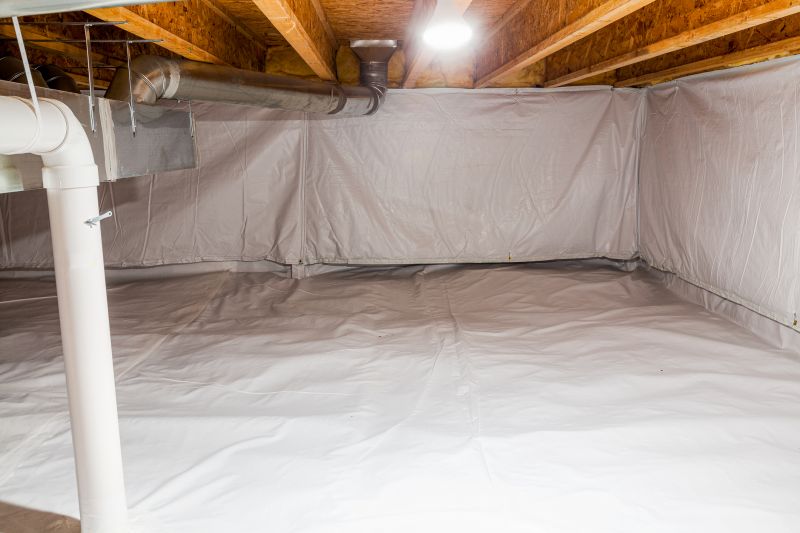
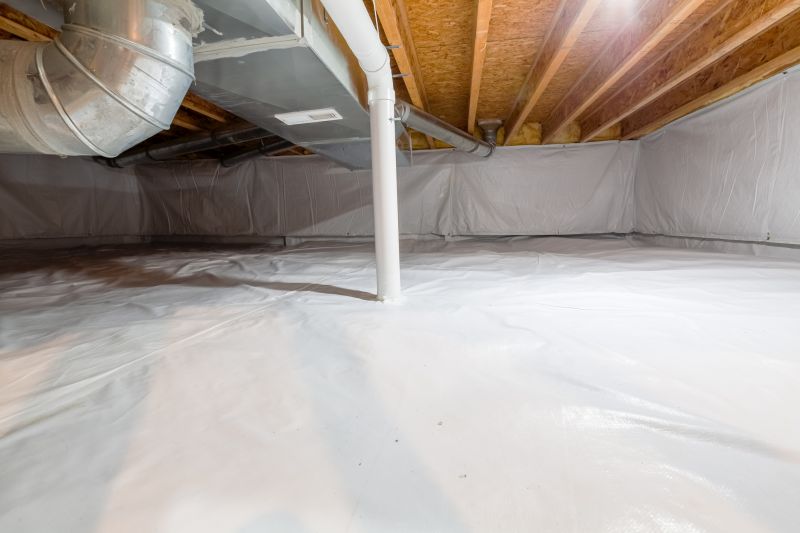
| Basic Vapor Barrier for Crawl Space | $1,200 - $2,800 |
| Vapor Barrier for Basement | $2,000 - $4,500 |
| Vapor Barrier with Insulation | $3,000 - $6,000 |
| Extended Area Vapor Barrier | $4,000 - $8,000 |
| Vapor Barrier Replacement | $2,500 - $5,000 |
Factors Affecting Cost
Vapor barrier installation is an important step in managing moisture and improving energy efficiency in buildings around Twin Lakes, WI. Proper installation helps prevent moisture from penetrating insulation and structural components, reducing potential issues such as mold and wood rot. Understanding typical project considerations can assist in planning and budgeting for vapor barrier projects in the area.
- Materials used often include polyethylene plastic sheeting, typically ranging from 6 to 10 mil thickness, suitable for various applications like basements, crawl spaces, or under slabs.
- The scope of installation can vary from small crawl space areas to large basement or slab projects, influencing overall size and complexity.
- Labor complexity depends on the area size, accessibility, and whether additional preparation or sealing is required to ensure effective moisture control.
- Permitting requirements may differ based on local building codes and project scope, especially for new construction or significant renovations.
- Additional considerations can include sealing seams, installing vapor retarders around penetrations, or adding insulation for enhanced performance.